
Myopia Control for Houston Students: Ortho-K Lenses vs. Atropine Drops
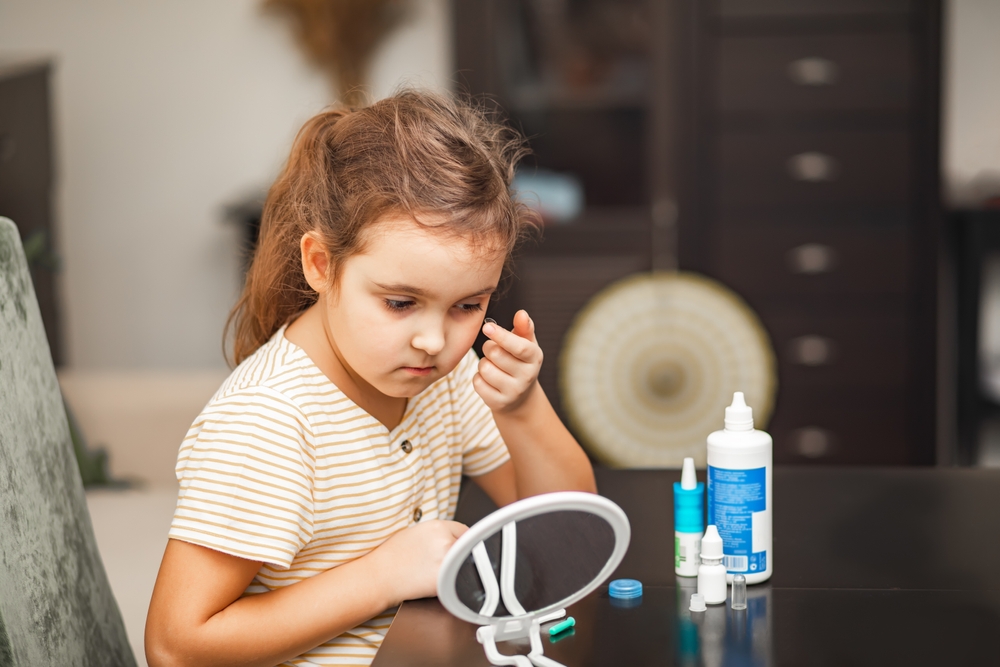
Myopia, or nearsightedness, can make it difficult for children to see the classroom board, recognize details across a room, or participate comfortably in sports and other activities. More importantly, myopia often progresses as children grow. For families in Houston, starting myopia control early can help slow this progression and protect long-term eye health.
At Vision Source Copperfield, two options we may recommend for children with progressing myopia are Ortho-K lenses and low-dose atropine drops. Both are designed to manage myopia progression, but they work in different ways.
How Ortho-K Lenses Work
Orthokeratology, commonly called Ortho-K, uses specially designed rigid contact lenses that are worn while your child sleeps. The lenses gently reshape the front surface of the eye overnight. After removing them in the morning, many children can see clearly during the day without wearing glasses or contact lenses.
Ortho-K can be especially appealing for active Houston students who play sports, swim, or simply prefer not to wear corrective lenses during school hours. Because the effect is temporary, the lenses typically need to be worn consistently at night.
Potential benefits of Ortho-K include:
- Clear daytime vision without glasses or contacts
- Treatment that works while your child sleeps
- Reduced dependence on daytime eyewear
- Myopia management combined with vision correction
Proper lens fitting, cleaning, and follow-up visits are important for keeping Ortho-K treatment safe and effective.
How Low-Dose Atropine Helps Control Myopia
Low-dose atropine is another option for childhood myopia control in Houston. These prescription eye drops are typically placed in the eyes each evening. Rather than reshaping the cornea, atropine is used to help slow the eye growth associated with worsening myopia.
Atropine can be a practical option for children who are not ready for contact lenses or whose lifestyle makes overnight lenses less convenient. Some children may experience temporary light sensitivity or difficulty focusing up close, although lower concentrations are generally used to minimize these effects.
Ortho-K vs. Atropine: Which Is Better?
There is no single treatment that is right for every Houston student. Ortho-K may work well for children who want clear daytime vision without glasses, while atropine may be easier for families looking for a simple nightly treatment without contact lens wear.
Age, prescription strength, rate of myopia progression, eye health, lifestyle, and comfort with contact lenses can all affect the recommendation. In some cases, myopia treatments may also be combined when our eye doctor determines that additional control is appropriate.
Start With a Myopia Control Evaluation
If your child's prescription continues to increase each year, simply replacing stronger glasses does not address the progression itself. A comprehensive pediatric eye exam allows us to evaluate your child's vision, determine how quickly the myopia is changing, and discuss treatment options that fit their needs.
For personalized myopia control for your child, schedule a pediatric eye exam with Vision Source Copperfield in Houston, TX, at (281) 859-8000.
Quick Links
Helpful Articles
article_category: products
article_category: psychiatry
article_category: faqs
article_category: cats
article_category: general
article_category: services
article_category: technology
article_category: dogs
article_category: restorative
article_category: vision therapy
article_category: contact lenses
article_category: health
article_category: conditions
article_category: eye surgery co-management
article_category: exotic
article_category: cosmetic
article_category: surgical procedures
article_category: aesthetics
article_category: preventative
article_category: ocular disease management
article_category: eyeglasses
article_category: eye health
article_category: large animal
[]
article_category: psychiatry
article_category: faqs
article_category: cats
article_category: general
article_category: services
article_category: technology
article_category: dogs
article_category: restorative
article_category: vision therapy
article_category: contact lenses
article_category: health
article_category: conditions
article_category: eye surgery co-management
article_category: exotic
article_category: cosmetic
article_category: surgical procedures
article_category: aesthetics
article_category: preventative
article_category: ocular disease management
article_category: eyeglasses
article_category: eye health
article_category: large animal
[]
Flowbite is an open-source library of interactive components built on top of Tailwind CSS including buttons, dropdowns, modals, navbars, and more.
Check out this guide to learn how to get started and start developing websites even faster with components on top of Tailwind CSS.
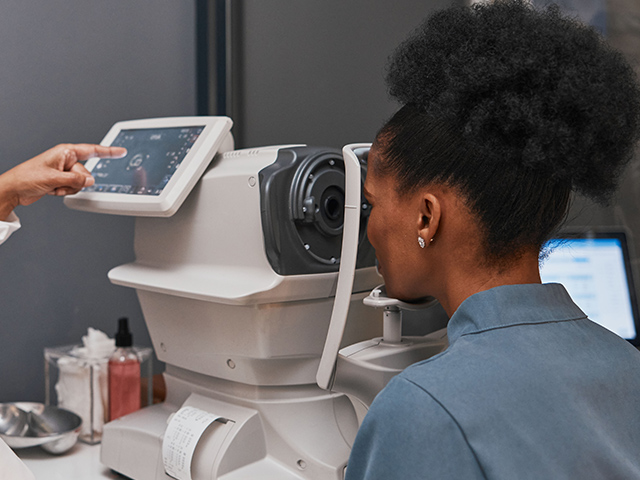
All Eye Care Services
Find personalized eye care excellence with our comprehensive services. From eye exams to advanced diagnostics, trust us for all your vision needs.
Keep In Touch
For non-urgent questions or to learn more about our services, contact us today!
© 2026 Vision Source Copperfield. All rights Reserved - Accessibility Statement - Privacy Policy - Sitemap
Managed and Designed by 