
Services
Eyecare Services in Houston
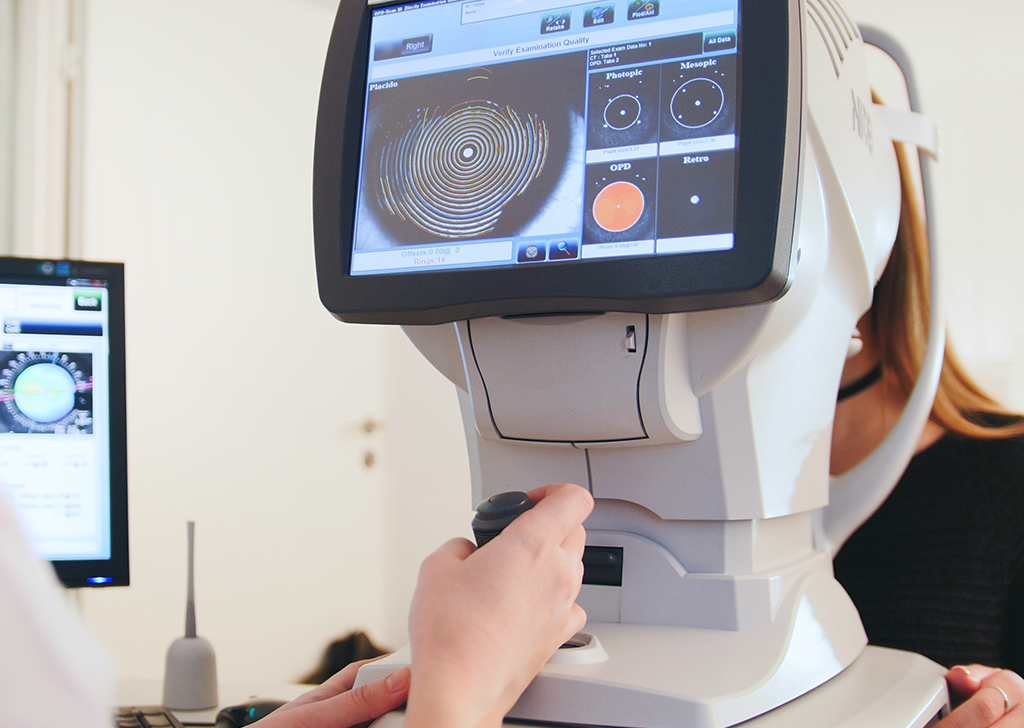
Comprehensive Eye Exams
Routine eye exams are a vital aspect of preventive eye care. Without routine eye exams, vision issues often go undetected since most eye disorders don't have clear symptoms.
Learn More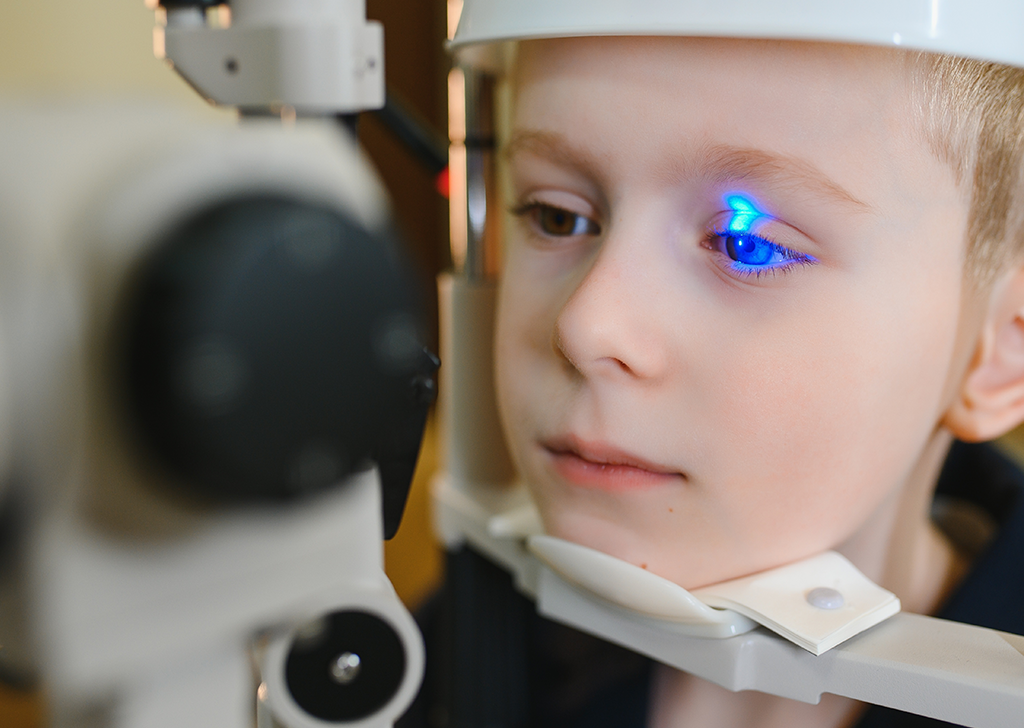
Pediatric Eye Exam
A thorough investigation of your child's overall health of the eye and the visual system is important since some childhood vision problems can lead to permanent vision loss if left untreated.
Learn More
Myopia Control
Myopia is a very common condition around the world, but its prevalence does not mean it should be taken lightly.
Learn More
Dry Eye Treatment
Dry eye can make daily life uncomfortable, especially when symptoms interfere with reading, driving, screen time, contact lens wear, or time outdoors in Houston.
Learn More
Cataracts
If you’ve been diagnosed with cataracts, you may wonder if cataract surgery is right around the corner. Not to worry. There are many preventive steps you can take to slow the progression of cataracts and preserve your vision. That doesn’t mean you won’t eventually need surgery, but you can at least delay the need for quite a while.
Learn More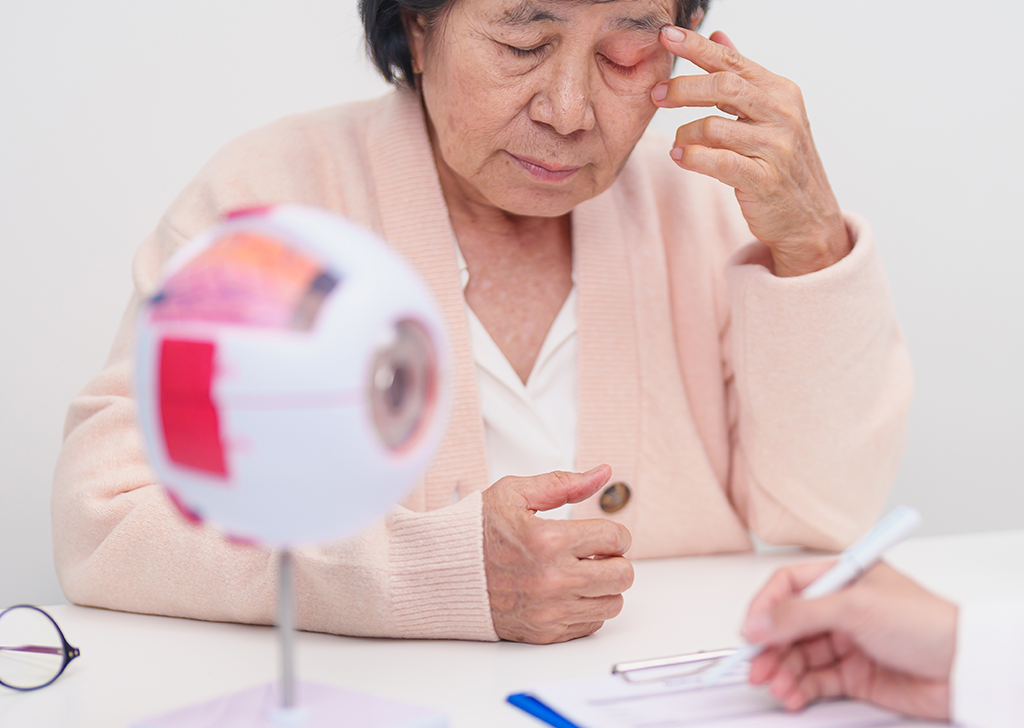
Diabetic-Related Eye Exam
You have almost certainly heard of diabetes, which is one of the most common chronic health conditions in the United States with an estimated 100 million adults currently living with diabetes or pre-diabetes.
Learn More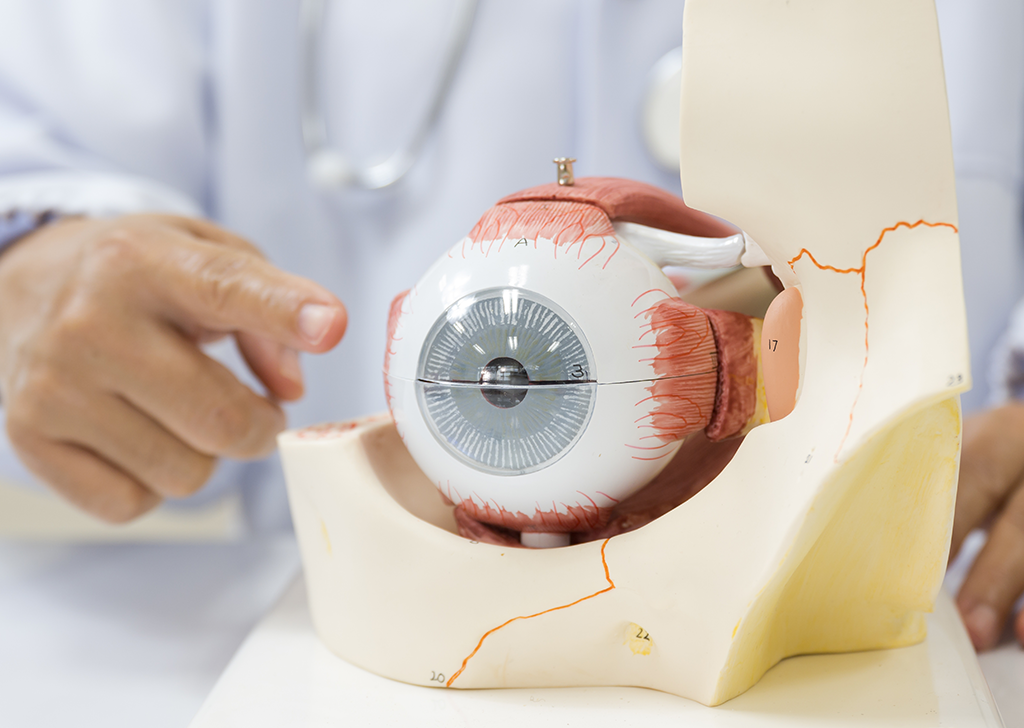
Glaucoma
If you’ve been diagnosed with glaucoma, you’re probably already familiar with the typical options in glaucoma treatment – eye drops, laser treatment or traditional surgery.
Learn More
Macular Degeneration
Macular degeneration, commonly referred to as age-related macular degeneration (AMD), is the single largest cause of sight loss in the developed world and affects more than 10 million Americans.
Learn More
Diabetic Retinopathy
You have almost certainly heard of diabetes, which is one of the most common chronic health conditions in the United States, with an estimated 100 million adults currently living with diabetes or pre-diabetes.
Learn More
MiSight
These contacts slow the progression of myopia in children between the ages of eight and 12. Even more exciting, they slow the progression by as much as 59%. For instance, if an ophthalmologist or optometrist diagnoses a child with nearsightedness and predicts a diopter of -8.00, MiSight contact lenses can reduce that to about -3.50.

© 2026 Vision Source Copperfield. All rights Reserved - Accessibility Statement - Privacy Policy - Sitemap
Managed and Designed by 