
Dry Eye Treatment in Houston, TX

Dry eye can make daily life uncomfortable, especially when symptoms interfere with reading, driving, screen time, contact lens wear, or time outdoors in Houston. At Vision Source Copperfield, we provide dry eye treatment in Houston, TX for patients experiencing ongoing dryness, burning, watering, redness, or eye fatigue. Because dry eye can have many causes, effective care starts with finding out why your eyes are not staying properly lubricated.
What Is Dry Eye?
Dry eye occurs when your eyes do not produce enough tears or when the tears evaporate too quickly. Healthy tears help protect the eye’s surface, support clear vision, and keep the eyes comfortable. When the tear film is unstable, the eyes can feel dry, gritty, inflamed, or overly watery.
For many patients, dry eye is not just a temporary irritation. It can be connected to inflammation, oil gland dysfunction, eyelid concerns, environmental triggers, or other underlying factors that need targeted treatment.
Common Causes Of Dry Eye
Dry eye can develop from one issue or a combination of factors. Common causes include:
Aging
Meibomian gland dysfunction (MGD)
Blepharitis
Previous eye surgery
Contact lens use
Allergies
Certain medications
Medical conditions that affect tear production or inflammation
Houston’s heat, pollen, air conditioning, and screen-heavy routines can also make dry eye symptoms worse. Identifying the cause helps our eye doctor recommend treatment that is more specific to your needs.
Symptoms Of Dry Eye
Dry eye symptoms can vary from mild to disruptive. Some patients notice a sandy or gritty feeling, while others experience burning, stinging, redness, blurred vision, light sensitivity, or watery eyes. Contact lenses may become less comfortable, and symptoms may worsen later in the day or after long periods of computer use.
How Dry Eye Is Diagnosed
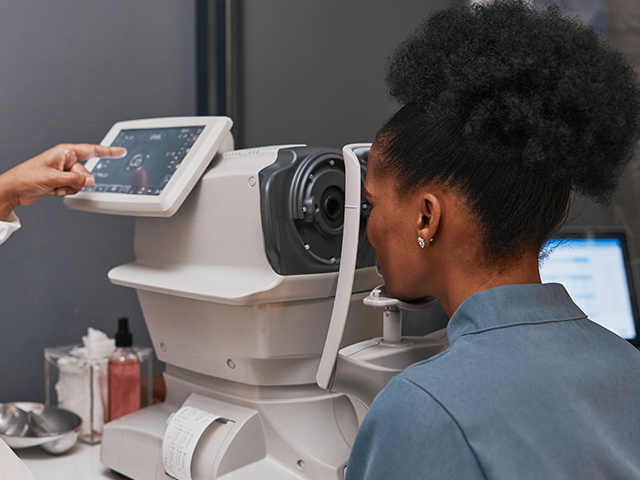
A dry eye diagnosis at Vision Source Copperfield focuses on identifying the root cause so treatment can be more targeted. During your exam, our doctors may evaluate tear quality, tear volume, eyelid health, inflammation, oil gland function, and the surface of the eye.
We look for signs of MGD, blepharitis, irritation, unstable tear film, and other factors that may be contributing to your discomfort. This allows us to create a dry eye treatment plan based on what your eyes actually need.
Dry Eye Treatment Options
Treatment depends on the underlying cause of your dry eye. Some patients need support for inflammation, while others need treatment focused on blocked oil glands, eyelid hygiene, or damage to the eye’s surface.
At Vision Source Copperfield, dry eye treatment options may include:
OptiLight IPL: A light-based treatment that helps reduce inflammation and support healthier meibomian gland function for patients with evaporative dry eye.
Low-Level Light Treatment (LLLT): A gentle light therapy designed to help warm the eyelids, improve oil gland function, and support a more stable tear film.
Amniotic Membranes: A therapeutic option used to protect and support healing of the eye’s surface when dryness has caused irritation or damage.
NuLids: An eyelid cleaning device that helps remove buildup, improve lid hygiene, and support healthier tear production.
ZEST: An in-office eyelid cleaning treatment that removes bacteria, biofilm, and debris from the lash line to help manage blepharitis-related dry eye.
TearCare: A treatment that applies controlled heat to the eyelids to help clear blocked meibomian glands and improve natural oil flow.
Our doctor will explain which option is right for your condition and build a plan designed to improve comfort and long-term eye health.
Get Personalized Dry Eye Care In Houston
Schedule consultation with Vision Source Copperfield to find the cause of your dry eye symptoms and explore personalized treatment options. Contact our office at 8717 Highway 6 North, Houston, TX 77095 by calling (281) 859-8000.
Quick Links
Helpful Articles
article_category: products
article_category: psychiatry
article_category: faqs
article_category: cats
article_category: general
article_category: services
article_category: technology
article_category: dogs
article_category: restorative
article_category: vision therapy
article_category: contact lenses
article_category: health
article_category: conditions
article_category: eye surgery co-management
article_category: exotic
article_category: cosmetic
article_category: surgical procedures
article_category: aesthetics
article_category: preventative
article_category: ocular disease management
article_category: eyeglasses
article_category: eye health
article_category: large animal
[]
article_category: psychiatry
article_category: faqs
article_category: cats
article_category: general
article_category: services
article_category: technology
article_category: dogs
article_category: restorative
article_category: vision therapy
article_category: contact lenses
article_category: health
article_category: conditions
article_category: eye surgery co-management
article_category: exotic
article_category: cosmetic
article_category: surgical procedures
article_category: aesthetics
article_category: preventative
article_category: ocular disease management
article_category: eyeglasses
article_category: eye health
article_category: large animal
[]
Flowbite is an open-source library of interactive components built on top of Tailwind CSS including buttons, dropdowns, modals, navbars, and more.
Check out this guide to learn how to get started and start developing websites even faster with components on top of Tailwind CSS.
All Eye Care Services
Find personalized eye care excellence with our comprehensive services. From eye exams to advanced diagnostics, trust us for all your vision needs.

Keep In Touch
For non-urgent questions or to learn more about our services, contact us today!
© 2026 Vision Source Copperfield. All rights Reserved - Accessibility Statement - Privacy Policy - Sitemap
Managed and Designed by 