
FAQ: Myopia Control in Houston, TX
At Vision Source Copperfield, we provide myopia control in Houston, TX to help children manage nearsightedness and protect their long-term eye health. Our approach focuses on slowing myopia progression through personalized treatment options. Below are frequently asked questions on myopia control and childhood nearsightedness treatment.
What is myopia control?
Myopia control focuses on slowing the progression of nearsightedness rather than simply correcting blurry distance vision. At our Houston practice, we use specialized treatments to help reduce how quickly a child's prescription increases. Early intervention can also help lower the risk of future eye conditions associated with high myopia, including retinal detachment and myopic macular degeneration.
How can I tell if my child is developing nearsightedness?
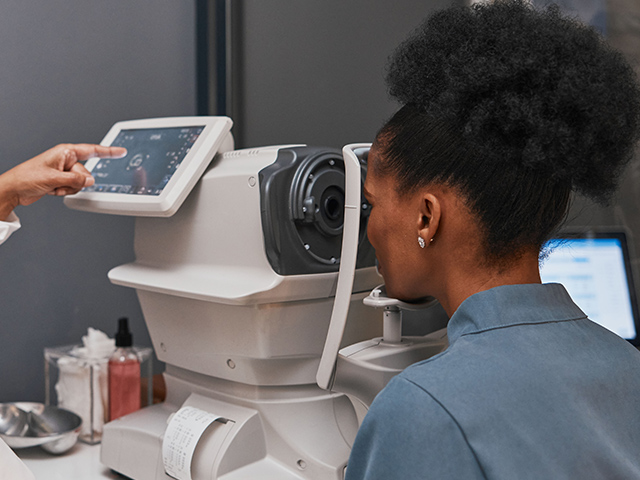
Children with myopia may squint to see distant objects, sit closer to screens, struggle to read classroom boards, or complain about blurry distance vision. Some children experience no noticeable symptoms. At Vision Source Copperfield in Houston, we provide pediatric eye exams to detect nearsightedness early and determine whether treatment is needed to slow its progression.
What causes childhood myopia to worsen?
Childhood myopia is influenced by genetics, eye growth, and environmental factors. Children with nearsighted parents, limited outdoor activity, or prolonged near-work habits may have a higher risk of developing progressive myopia. Our Houston eye doctors assess these factors and recommend appropriate nearsightedness management strategies to help protect your child's vision.
At what age should children begin myopia management?
Myopia management should begin as soon as progressive nearsightedness is identified and treatment is appropriate. Since children's eyes continue developing throughout childhood, early intervention provides an important opportunity to slow prescription changes. At our Houston practice, we evaluate your child's age, prescription, eye health, and progression rate to determine the best time to begin treatment.
What myopia treatment options are available for children in Houston?
At Vision Source Copperfield, we offer several approaches to managing childhood nearsightedness in Houston. These include MiSight 1 day contact lenses, Orthokeratology (Ortho-K), low-dose atropine eye drops, and soft multifocal contact lenses. Each option works differently, and we recommend treatment based on your child's prescription, eye health, age, and daily activities.
How do MiSight 1 day contact lenses slow nearsightedness?
MiSight 1 day contact lenses use specialized optical zones to correct distance vision while helping slow myopia progression. These FDA-approved daily disposable lenses are designed for children who meet specific age and prescription requirements. At our Houston practice, we assess whether MiSight lenses are appropriate and provide guidance on proper lens wear and care.
Is my child old enough for MiSight contact lenses?
MiSight 1 day contact lenses are FDA-approved for starting myopia control treatment in children ages 8 to 12 who meet specific prescription requirements. Children must also be able to handle contact lenses safely with appropriate supervision. Our Houston eye doctors evaluate your child's readiness, prescription, and eye health before recommending MiSight treatment.
How does Orthokeratology work for children with myopia?
Orthokeratology, commonly called Ortho-K, uses specially designed rigid contact lenses worn overnight to temporarily reshape the cornea. After removing the lenses in the morning, children can experience clear daytime vision without glasses or contact lenses. Ortho-K can also help slow nearsightedness progression. At Vision Source Copperfield in Houston, we evaluate whether this treatment fits your child's vision needs and lifestyle.
Are overnight Ortho-K contact lenses safe for children?
Ortho-K can be an effective myopia management option when lenses are professionally fitted, properly maintained, and worn according to instructions. Because overnight contact lens wear carries an infection risk, careful hygiene and regular follow-up visits are essential. Our Houston practice emphasizes safe handling, proper cleaning, and consistent monitoring to support successful treatment.
Can low-dose atropine eye drops slow myopia progression?
Low-dose atropine eye drops are commonly prescribed to help slow worsening nearsightedness in children. They are typically used once daily, often at bedtime, and do not replace prescription glasses or contact lenses. Our Houston optometrists determine whether atropine is appropriate and monitor treatment response.
Can multifocal contact lenses help manage childhood nearsightedness?
Certain soft multifocal contact lens designs can help slow myopia progression by changing how light focuses on the retina. These lenses also correct blurry distance vision, making them an option for some children with progressive nearsightedness. Our Houston eye doctors evaluate your child's prescription and contact lens suitability before recommending this approach.
Do regular eyeglasses prevent myopia from getting worse?
Standard prescription eyeglasses improve distance vision but do not meaningfully slow myopia progression. Specialized myopia control spectacle lenses are designed to address both vision correction and worsening nearsightedness. At Vision Source Copperfield in Houston, we explain the differences between conventional eyewear and myopia management treatments so families can make informed decisions about their child's care.
How often should my child have eye exams during myopia treatment in Houston?
Children undergoing myopia management need regular follow-up appointments to evaluate prescription changes, eye health, and treatment effectiveness. Visits are commonly scheduled every six months, although some children require more frequent monitoring. At our Houston practice, we establish a personalized follow-up schedule and adjust treatment when necessary to maintain effective nearsightedness management.
Can screen time and outdoor activities affect myopia progression?
Extended near work and limited outdoor time are associated with a greater risk of childhood myopia. Encouraging regular screen breaks, maintaining comfortable reading distances, and spending more time outdoors can support healthy visual habits. We recommend combining these habits with professional eye care when a child has progressive nearsightedness. Lifestyle changes alone do not replace myopia treatment.
Why choose Vision Source Copperfield for myopia control in Houston, TX?
At Vision Source Copperfield, we take a personalized approach to childhood myopia management. Our Houston eye doctors provide comprehensive evaluations, explain treatment options clearly, and develop plans based on each child's individual needs. With treatments such as MiSight, Ortho-K, low-dose atropine, and multifocal contact lenses, we focus on slowing nearsightedness progression while supporting clear, comfortable vision.
If your child is experiencing worsening nearsightedness, our team is ready to help. Contact Vision Source Copperfield in Houston, TX at (281) 859-8000 to schedule a pediatric eye exam and learn more about our personalized myopia control treatments.
Quick Links
Helpful Articles
article_category: restorative
article_category: vision therapy
article_category: contact lenses
article_category: health
article_category: conditions
article_category: eye surgery co-management
article_category: exotic
article_category: cosmetic
article_category: products
article_category: psychiatry
article_category: faqs
article_category: cats
article_category: general
article_category: services
article_category: technology
article_category: dogs
article_category: surgical procedures
article_category: aesthetics
article_category: preventative
article_category: ocular disease management
article_category: eyeglasses
article_category: eye health
article_category: large animal
[]
Flowbite is an open-source library of interactive components built on top of Tailwind CSS including buttons, dropdowns, modals, navbars, and more.
Check out this guide to learn how to get started and start developing websites even faster with components on top of Tailwind CSS.
All Eye Care Services
Find personalized eye care excellence with our comprehensive services. From eye exams to advanced diagnostics, trust us for all your vision needs.
Keep In Touch
For non-urgent questions or to learn more about our services, contact us today!
© 2026 Vision Source Copperfield. All rights Reserved - Accessibility Statement - Privacy Policy - Sitemap
Managed and Designed by 